
Last updated October 16, 2026
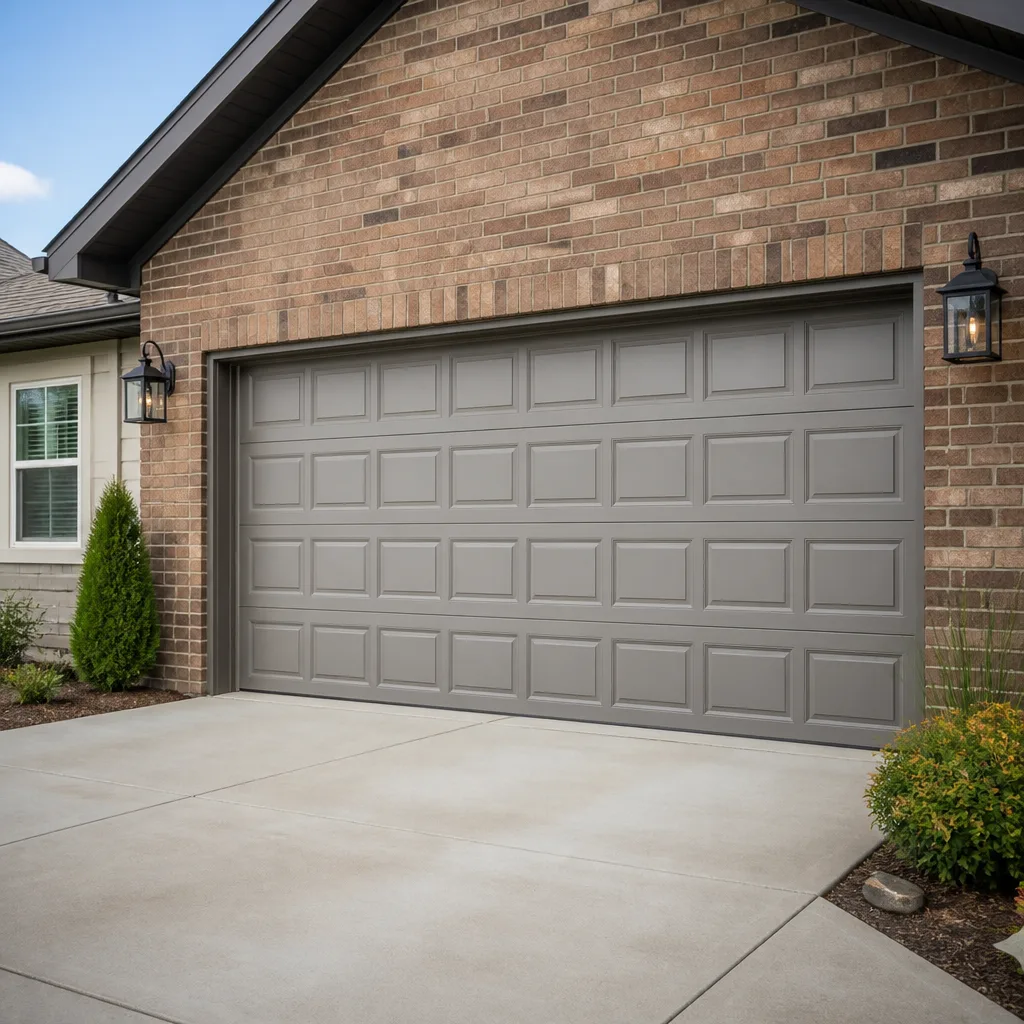 Raised-panel steel
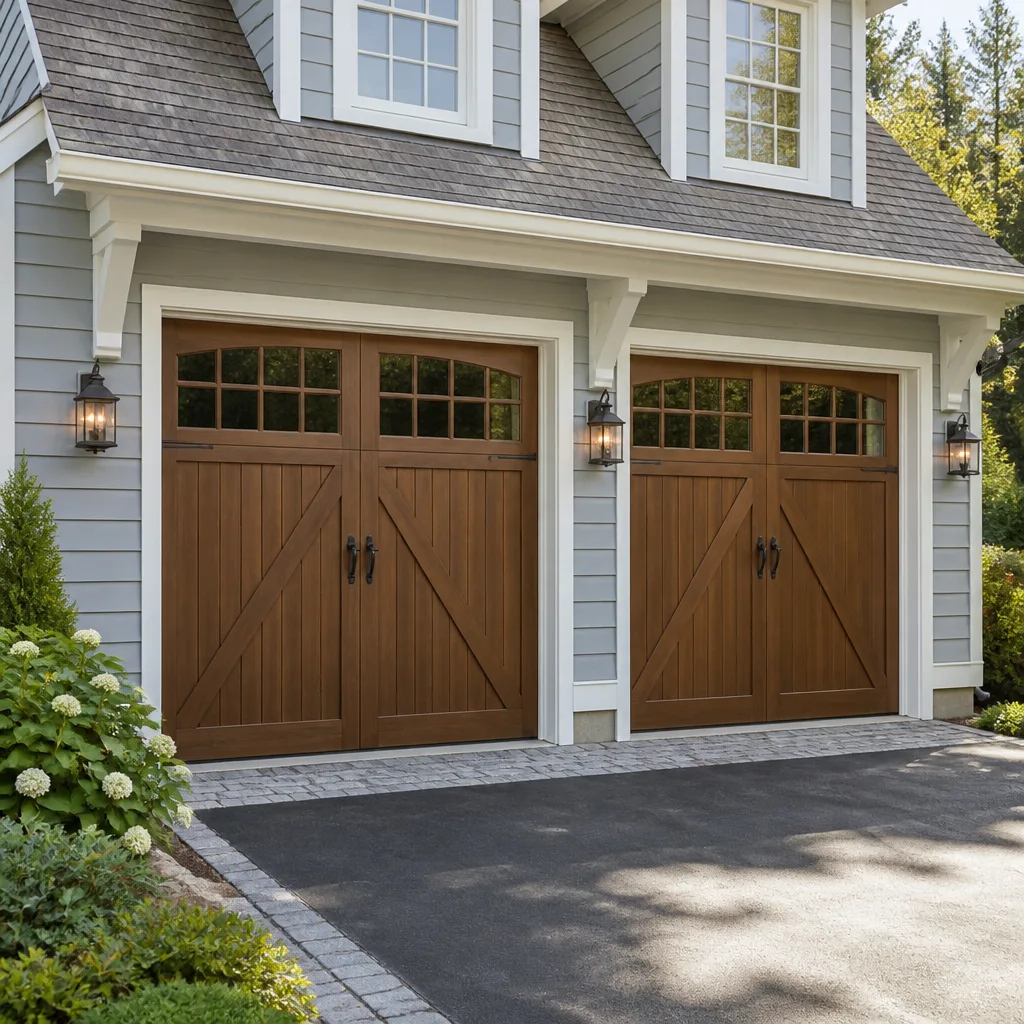 Carriage house
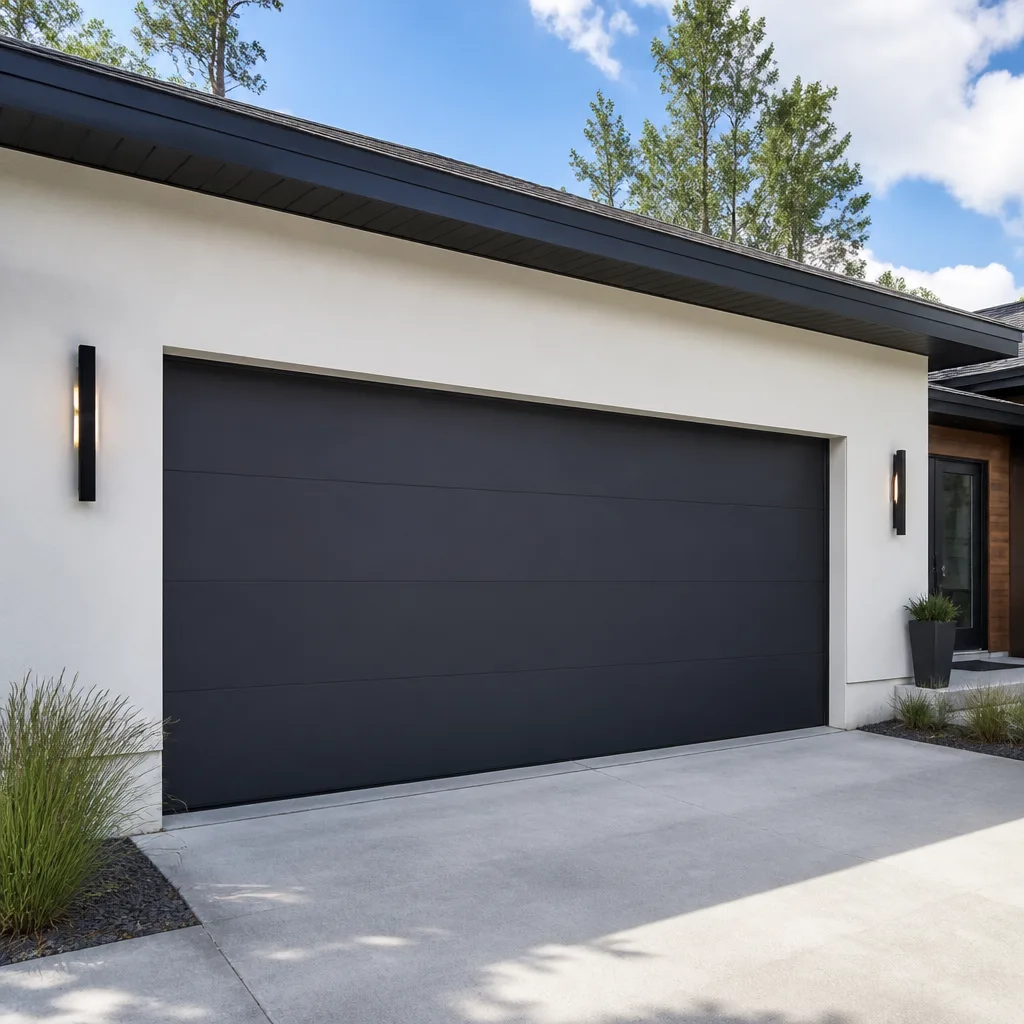 Modern flush
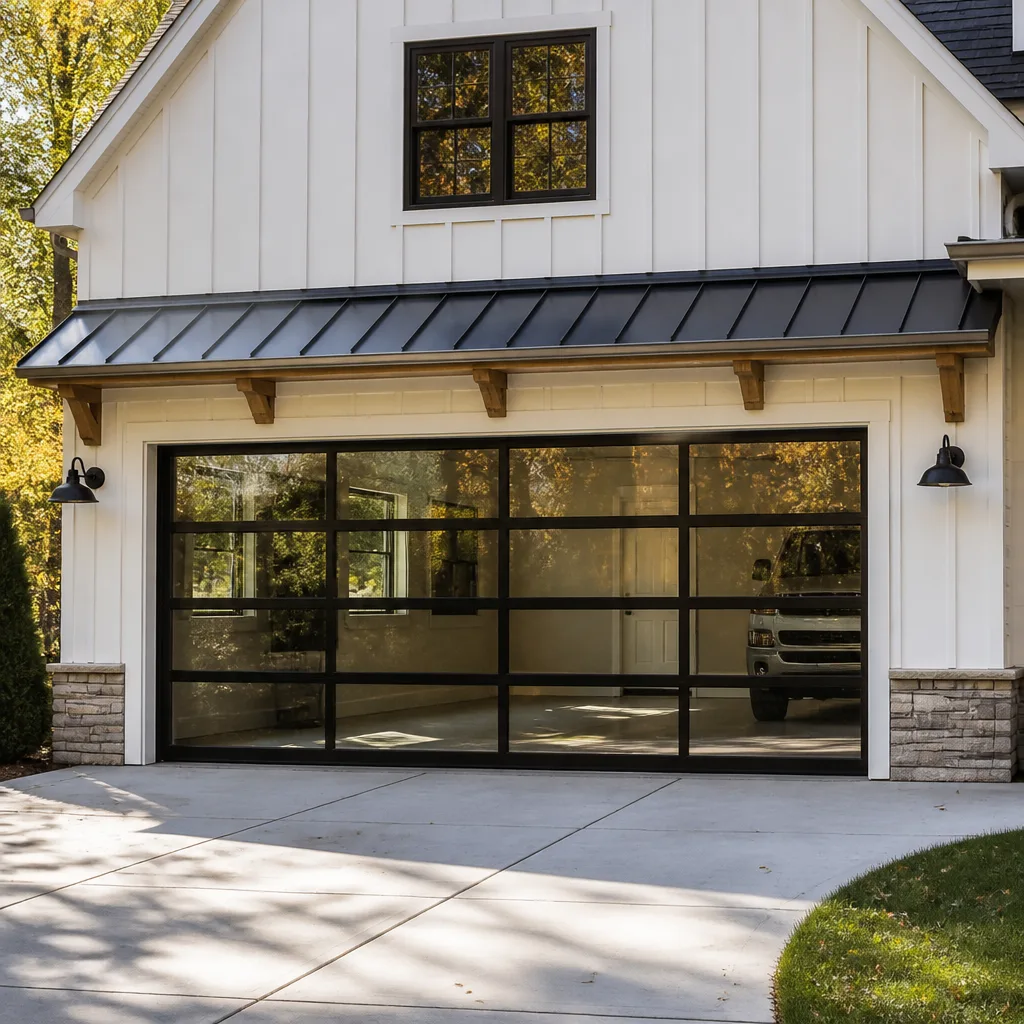 Full-view glass
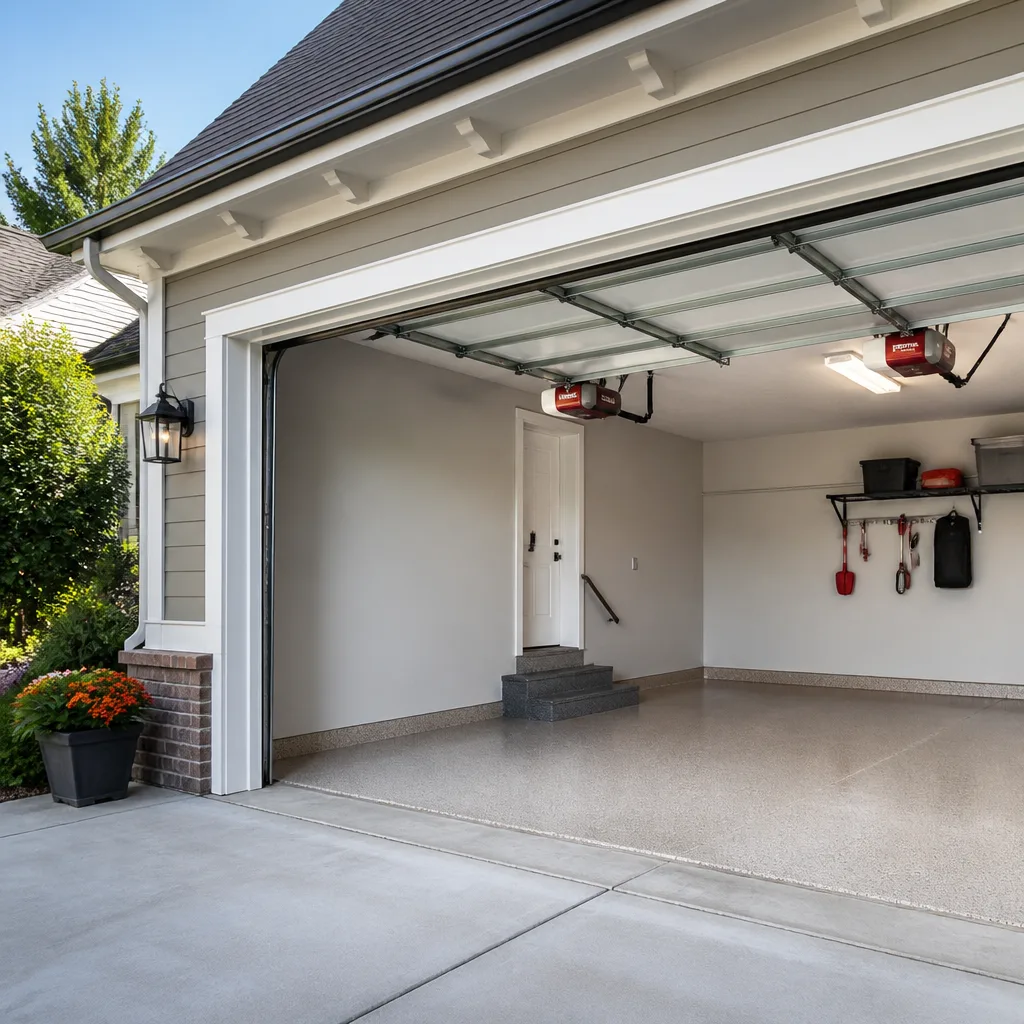 LiftMaster openers
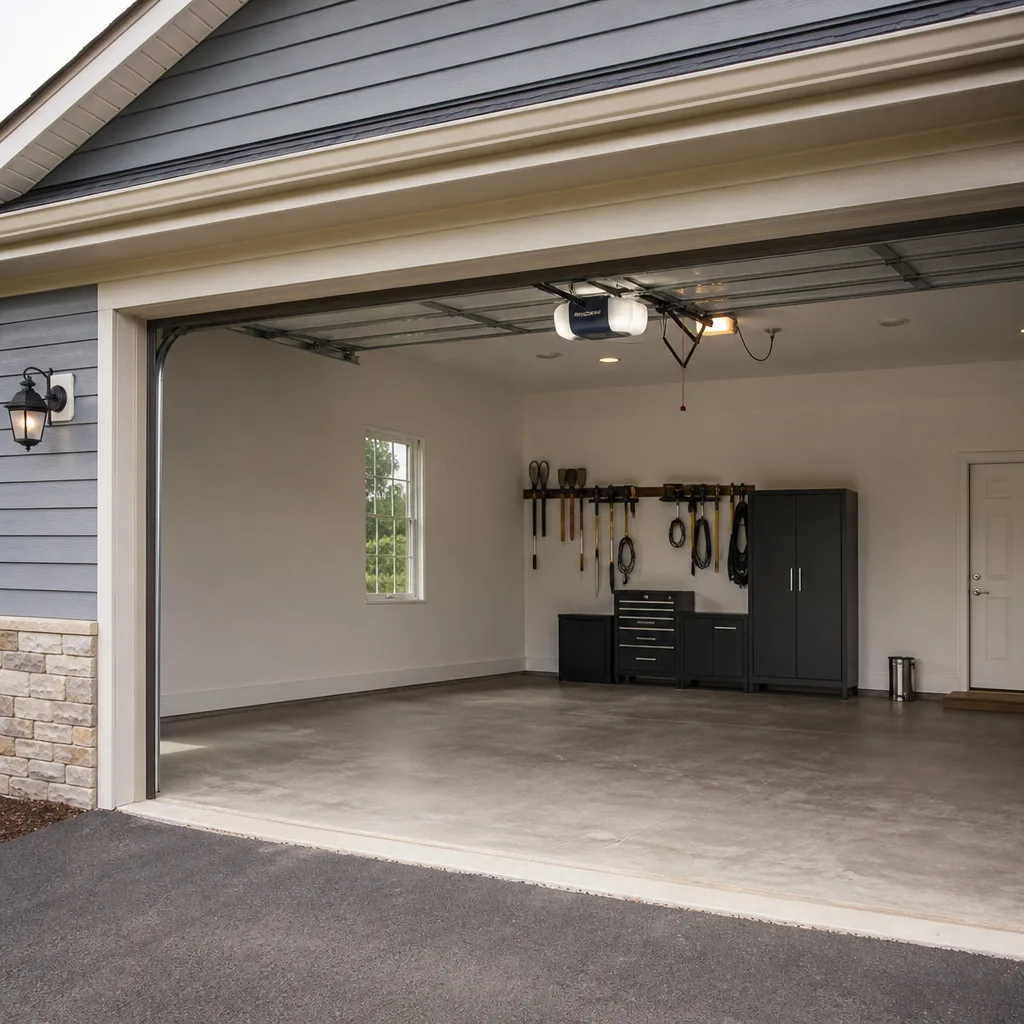 Chamberlain openers
Full 25-point door and opener safety check with every visit - springs, cables, rollers, tracks, and your LiftMaster or Chamberlain opener included
You get a price before we start. It does not change when the truck arrives.
Get your free estimateGarage Door Permits, Codes & Inspections in NY: What You Need to Know
Most homeowners in Queens assume a garage door replacement is a permit-free project. And in roughly seven out of ten cases we see, they’re right. But the remaining three involve fire-rated assemblies, structural opening changes, or new electrical circuits, and those are the jobs where skipping the permit becomes a five-figure problem at the next real estate closing. This guide maps the actual New York City Building Code trigger points so you know, before a single bolt gets turned, whether your project is exempt or whether the DOB needs to sign off first.
Styles & brands we work with
Quick Answer
Replacing a garage door in NYC with the same size, same operation type, and same fire-rating classification is typically exempt from a DOB permit under Building Code §28-105.4 as “ordinary repair.” The permit requirement kicks in the moment you widen the opening, remove or alter structural framing, change the fire-rating of the door assembly in an attached garage, or run new electrical for an opener or EV charger. If you’re unsure which category your project falls into, our How to Hire a Garage Door Contractor in Queens: A Step-by-Step Guide can help you find a licensed professional who has filed DOB paperwork in Queens before.
Table of Contents
- When a Garage Door Replacement Does NOT Need a Permit
- When a Garage Door Project DOES Need a DOB Permit
- Fire-Rated Door Requirements for Attached Garages in Queens
- Electrical Permits: Openers, Circuits, and EV Chargers
- Certificate of Occupancy Amendments vs. DOB Permits
- What Happens at Closing When Work Was Done Without a Permit
- What a DOB Inspector Actually Checks on a Garage Door Job
- Common Mistakes to Avoid
- When to Call a Professional
- Frequently Asked Questions
- The Bottom Line
When a Garage Door Replacement Does NOT Need a Permit
New York City Building Code section BC §28-105.4 exempts specific work categories from the DOB permitting process. Among them is “ordinary repair,” which the code defines as replacing a building component with a like-for-like equivalent that does not alter the structure, the fire-resistance rating, or the means of egress.
In plain English, here’s what that means for a typical Queens garage door swap. If your existing door is a standard steel sectional and you’re replacing it with another standard steel sectional of the same dimensions, mounted to the same framing, using the same tracks, that’s an ordinary repair. No permit. Same for swapping a wood swing-out door for another wood swing-out door in a detached garage.
We handle these like-for-like replacements regularly in neighborhoods across Queens, from Astoria to Bayside to Howard Beach. The work is what we call a same-footprint swap. The mounting points, the header above the opening, the track configuration, and the door weight distribution all stay unchanged. The DOB considers that maintenance, not construction.
What qualifies as ordinary repair
- Same opening size: The rough opening width and height are untouched. No header modification, no new framing.
- Same operation type: Sectional replaces sectional. Swing-out replaces swing-out. You’re not converting a swing door to an overhead door.
- Same fire classification: If the existing door is a fire-rated assembly, the replacement must carry an equal or better rating.
- No new electrical: The opener, if any, plugs into an existing receptacle. No new wiring, no new circuits.
- Structural framing untouched: The jambs, header, and mounting posts stay exactly where they are.
If all five of those conditions are true, your project is exempt from a DOB permit. That’s the majority of what we do, and it means the job can usually be scheduled within days rather than weeks. But here’s where Queens homeowners get into trouble: assuming that because most garage door work is exempt, all of it is. Our Garage Door Warning Signs: A Queens Homeowner’s Reference Guide covers other common misconceptions.
When a Garage Door Project DOES Need a DOB Permit
The exemption under BC §28-105.4 vanishes when the work stops being ordinary repair and starts being an alteration. An alteration, in DOB language, is any change to a building that affects the structure, the fire protection, the egress, or the occupancy. For garage doors, three specific triggers are responsible for nearly every permit we’ve seen pulled in Queens.
Trigger 1: Changing the opening size
Widening a garage opening means cutting into the structural wall, installing a new header, and often re-framing the corners where the door tracks mount. That’s structural work. It requires a DOB permit, stamped drawings, and a post-work inspection. In attached garages, the header above the door may also carry the floor load of the bedroom above it, which is why cutting into it without an engineer’s sign-off is dangerous far beyond the legal exposure.
Trigger 2: Changing the fire-rating classification
If your attached garage currently has a fire-rated door and you replace it with a non-rated door, you have changed the building’s fire protection. That’s a code violation, a permit trigger, and a life-safety issue. The reverse is also true: upgrading from non-rated to fire-rated is a change the DOB wants filed. We’ll cover fire ratings in depth below because this is the one most Queens homeowners have never heard of.
Trigger 3: New electrical work
Running a new circuit for a garage door opener, adding a dedicated line for an EV charger, or installing a new sub-panel in the garage all require an electrical permit. The DOB treats electrical work in garages as high-scrutiny because garages are classified as potentially damp, potentially combustible spaces. We’ll get into the EV charger question specifically, because it’s the fastest-growing permit issue we see in Queens.
One more trigger worth naming: converting a detached garage into living space. That’s not a garage door project, but we get asked about it often enough that it belongs in a permit guide. A detached garage conversion generally requires a Certificate of Occupancy amendment, not just a building permit, and that’s a much longer road. We’ll cover that distinction below.
Fire-Rated Door Requirements for Attached Garages in Queens
Here’s the sentence most homeowners never hear until it’s too late: if your garage is attached to your house, the wall between the garage and the living space is required by code to be a fire separation, and the door in that wall, if there is one, must carry a fire-resistance rating. The garage vehicle door itself isn’t always required to be rated, but the pedestrian door between garage and house almost always is.
Where the garage door vehicle opening faces a property line closely, or where the garage is part of a larger fire-rated assembly, the vehicle door may need to be rated too. In densely built Queens neighborhoods like Ridgewood, Woodside, and Jackson Heights, where homes sit on 25-foot lots and garages are inches from the neighbor’s wall, the DOB enforces this more strictly than in the wide-lot suburbs of eastern Queens.
What a fire-rated garage door actually means
- Steel gauge minimums: Fire-rated garage doors are typically built from 24-gauge or 26-gauge steel with a core that resists heat transfer. The exact gauge depends on the manufacturer’s tested assembly.
- Self-closing hardware: The pedestrian door between an attached garage and the house must close on its own. No propping it open with a paint can. The closer must be installed and functional at inspection.
- Label visibility: A fire-rated door carries a label from a recognized testing lab. If the label’s gone, the inspector may not accept the assembly.
- Frame and hardware rating: The rating applies to the entire assembly: door, frame, hinges, and closer. A fire-rated door in a non-rated frame doesn’t pass.
When we install a fire-rated door in Queens, we match the new door to the existing opening’s rating and confirm the frame and hardware are compatible. If they’re not, that’s a conversation we have before any work starts, because a fire-rated door wedged into an unrated frame is a false sense of security. The written price we hand you covers the full assembly, so there’s no surprise mid-job when we discover the frame needs upgrading.
Electrical Permits: Openers, Circuits, and EV Chargers
Most garage door openers plug into a standard 120-volt receptacle in the garage ceiling. If that receptacle already exists and the opener plugs in, no electrical permit is needed. The garage door installation and the opener installation are both covered under the ordinary repair exemption, assuming the door itself is like-for-like.
But here’s the scenario we’re seeing more often in Queens garages: a homeowner wants a wall-mounted opener for a vaulted ceiling, or wants to move the opener outlet, or wants a 240-volt circuit for an EV charger while the garage is being updated anyway. Any of those moves triggers an electrical permit, and the electrical work has to be done by a licensed electrician with a DOB filing number.
Why EV charger circuits change the permit picture entirely
An EV charger commonly requires a 240-volt, 40-amp or 50-amp dedicated circuit. That’s not a minor electrical tweak. It often means a new breaker, heavier-gauge wiring, and sometimes a sub-panel upgrade. The DOB treats that as a separate electrical job with its own permit and its own inspection. Here’s the piece many homeowners miss: once you’re filing for an electrical permit on the same project, the DOB may ask about the rest of the garage work too. A like-for-like door replacement that would have sailed through as exempt suddenly gets pulled into the same permit file as the electrical alteration.
If you’re planning an EV charger install and a garage door replacement in the same project, talk to your garage door contractor before the electrician starts. The sequencing matters. A door that’s installed first may need to be re-inspected as part of the combined permit file, and it’s cheaper to plan that from the beginning than to un-permit it later.
Certificate of Occupancy Amendments vs. DOB Permits
There’s a distinction in New York City that confuses nearly everyone outside the trades: a building permit and a Certificate of Occupancy amendment are two different documents with two different purposes.
A DOB permit authorizes the physical work. It covers construction, alteration, electrical, plumbing, and so on. The inspector signs off that the work was done to code. That’s the end of the permit process for most garage door projects.
A Certificate of Occupancy amendment changes the legal use or classification of the building. It’s required when the use of a space changes, not when a component is repaired or replaced. Replacing a garage door doesn’t require one. Converting a detached garage in Queens into a home office, a rental unit, or a workshop that people occupy full-time generally does. That process involves zoning review, possibly a Board of Standards and Appeals hearing, and months of lead time. It is not a garage door project, and any contractor who tells you they’ll “just swap the door and you can live there” is steering you toward a violation that will surface at sale.
Where the two documents interact: if you’re doing a legal garage conversion in a detached Queens garage and one element of that conversion is a new garage door or new opening, the door work gets folded into the larger permit file. If you’re not converting and just replacing a door, you’re almost always on the permit-exempt ordinary repair track.
What Happens at Closing When Work Was Done Without a Permit
This is the conversation we have with homeowners who are selling a house in Queens and realize the garage door work from eight years ago should have been permitted. The buyer’s attorney asks for the certificate of compliance or the permit history, the seller can’t produce one, and the deal stalls.
Here’s what actually happens, and why the homeowner owns the problem rather than the contractor who skipped the filing. The permit, when required, is attached to the property, not to the contractor. The DOB violation is issued against the building, and the building owner answers for it. The contractor who told you “we don’t need a permit for this” is not the one sitting at the closing table when the buyer’s attorney demands a resolution.
The typical resolution in Queens is one of three paths. First, the seller pays for a retroactive permit and inspection, if the work was done to code and can be verified. That means opening up walls or ceiling areas so an inspector can see the framing and electrical. Second, the seller escrows money at closing so the buyer can correct the work after purchase, which usually comes with a price discount. Third, the buyer walks. We’ve seen all three.
The cost asymmetry is brutal. A permit that would have added a few hundred dollars to the original job becomes a multi-thousand-dollar closing concession years later. The lesson isn’t that every garage door needs a permit. It’s that the wrong garage door work without a permit is a deferred liability the homeowner pays for eventually.
What a DOB Inspector Actually Checks on a Garage Door Job
When a permit is required for your Queens garage door project, the inspection process follows a predictable sequence. Knowing what the inspector looks at helps you understand why certain work triggers permits in the first place.
Step-by-step inspection sequence
- Framing inspection: Before the door goes in, the inspector verifies the header, jambs, and mounting posts are sized correctly and installed to the approved drawings. This only happens when structural work was part of the permit.
- Fire-rating verification: If the door assembly is required to be fire-rated, the inspector checks the label on the door, the frame, and the hardware. An unlabeled door fails immediately.
- Electrical rough-in: If new circuits or wiring are part of the job, the inspector checks the rough-in before the walls are closed. Romex or conduit sizing, breaker capacity, and box fill are all on the list.
- Final door operation check: The inspector verifies the door opens and closes without binding, the safety sensor reverse works, and the emergency release is functional.
- Sign-off and filing: Once the inspector approves, the DOB updates the property’s permit history. That updated history is what the buyer’s attorney will ask for at closing.
The frustration we hear from homeowners is that a permit adds days or weeks to a job that they wanted done yesterday. The reason it exists: every one of those inspection points represents a failure mode that has hurt someone in New York City. A header that fails drops a door on a car or a person. A fire-rated assembly without a label doesn’t hold back a garage fire. Electrical work in a damp garage can energize the door tracks. The inspector’s checklist is a list of things that have gone wrong before.
Common Mistakes to Avoid
- Assuming every garage door project is permit-free. Like-for-like replacement is usually exempt. Structural changes, fire-rating changes, and new electrical are not. Guessing wrong means a violation on the property record, not on the contractor’s.
- Replacing a fire-rated door with a cheaper non-rated door. We’ve seen this happen in attached garages in Queens where the homeowner picked the lowest bid. The door operates fine, the price was attractive, and the fire separation is now nonexistent. At sale, it’s a defect.
- Letting a contractor skip the permit “to save time.” The contractor saves the time. The homeowner carries the liability. The permit follows the building, not the contractor’s truck.
- Adding an EV charger as an afterthought. Once the electrical permit is on file, the DOB may pull the door work into the same review. Plan the electrical and the door replacement as one project from the start.
- Confusing a building permit with a Certificate of Occupancy amendment. A door replacement rarely needs either. A garage conversion almost always needs both. “We don’t need a permit,” said by the wrong contractor, is a sentence that’s cost Queens sellers thousands at closing.
- Not checking the fire-rating label before replacement. If you don’t know whether your existing door is rated, you can’t know whether the replacement needs to match it. An honest contractor checks; a lazy one swaps and hopes.
When to Call a Professional
If your garage door project involves opening changes, fire-rated assemblies, new electrical, or any DOB permit, stop reading and make the call. These are not DIY-friendly and they’re not “find the cheapest guy” friendly either. The permit, if required, has to be filed by a contractor or an engineer. The door installation has to match the filing. The inspection has to be scheduled and passed. Doyle Garage Doors Queens does this work in Queens every week, and we walk each job through the permit determination before any price is quoted. For more guides & resources, see our blog. If the job needs a permit, we tell you at the estimate. If it doesn’t, we tell you that too. Call (585) 440-5777 for a free estimate, and you’ll get a straight answer about your specific project.
Frequently Asked Questions
No permit is needed if you’re replacing a garage door with the same size, same operation type, and same fire-rating classification. The moment any of those three changes, the project moves from ordinary repair to alteration and a DOB permit is required.
A typical DOB permit for garage door work, when required, generally runs from $150 to $500 in filing fees depending on the scope, and professional filing by an engineer or expediter adds $500 to $1,500. That’s a fraction of the closing cost you’d face selling a house with unpermitted work. Call (585) 440-5777 for guidance on whether your project needs one at all.
Either can, but the practical answer is the contractor. The contractor has the license, the insurance, and the experience with DOB filings. When we handle a permitted job in Queens, we manage the filing and the inspection scheduling so the homeowner isn’t navigating DOB Now on their own.
The fire-rating requirement applies to the wall and pedestrian door between an attached garage and living space, and in specific cases to the vehicle door when it’s part of a fire-rated assembly near a property line. Queens’ dense neighborhoods make this more common than homeowners expect.
Yes, if the opener plugs into an existing receptacle and no new wiring is run. Adding a new circuit, moving the outlet, or installing a 240-volt line for an EV charger requires an electrical permit.
Our price is written down and handed to you before a single bolt is turned. That’s the Doyle way: no verbal estimates, no invoice surprises. If we discover mid-job that the framing or electrical changes the permit picture, we stop, explain the options, and agree on a new written price before proceeding. Call (585) 440-5777 and you’ll get the same written-price commitment on your project.
The Bottom Line
Most garage door replacements in Queens don’t need a permit. Yours might. The difference comes down to three questions: Are you keeping the same opening size? Are you keeping the same fire-rating classification? Are you avoiding new electrical work? Three yeses means ordinary repair, exempt, no filing. One no means a conversation with a contractor who knows the NYC Building Code well enough to tell you what’s required before you sign. Whether you’re planning a simple same-footprint swap in Bayside, a fire-rated replacement in Astoria, or a full garage update in Forest Hills, call (585) 440-5777. We’ll tell you what the job needs, what it costs, and who’s showing up at your door before we get there.
Written by Aaron Teague, Owner at Doyle Garage Doors Queens, serving Queens since 2001.
See the difference
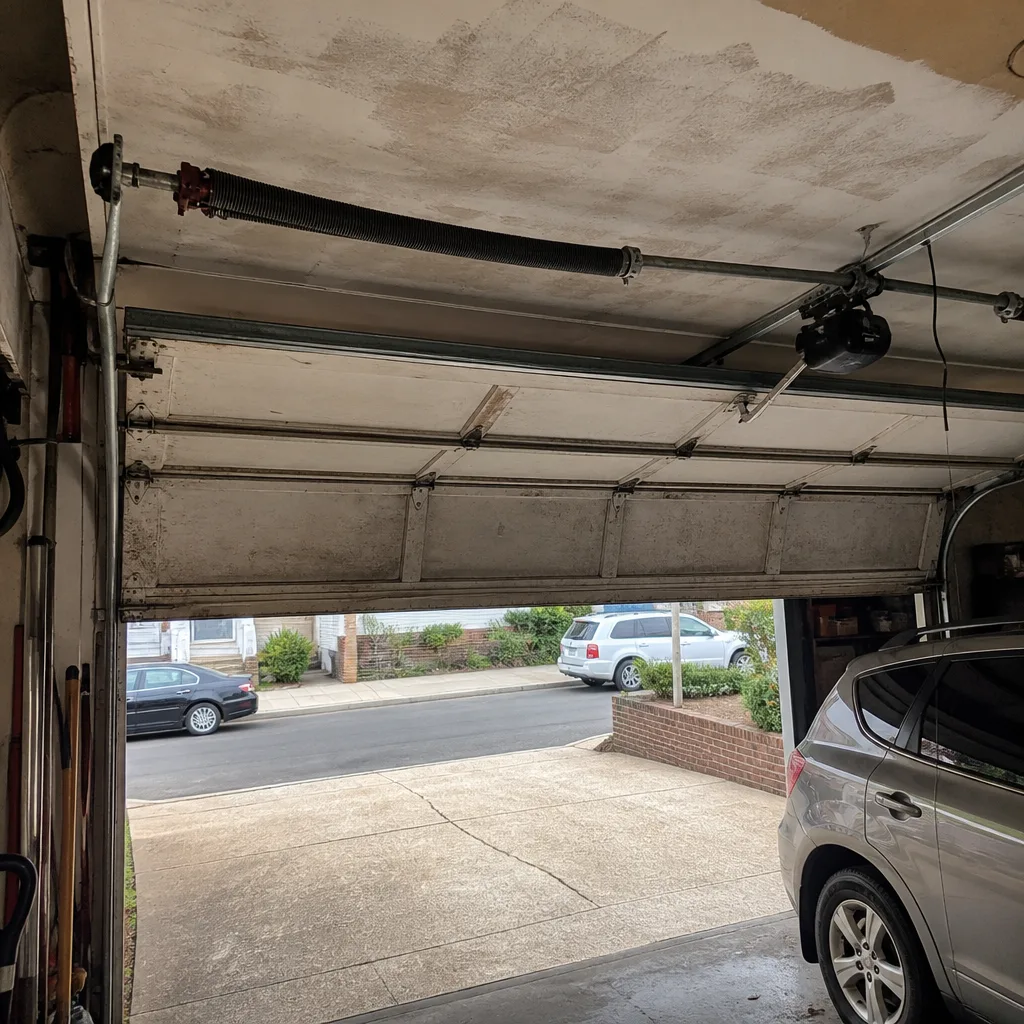 Before
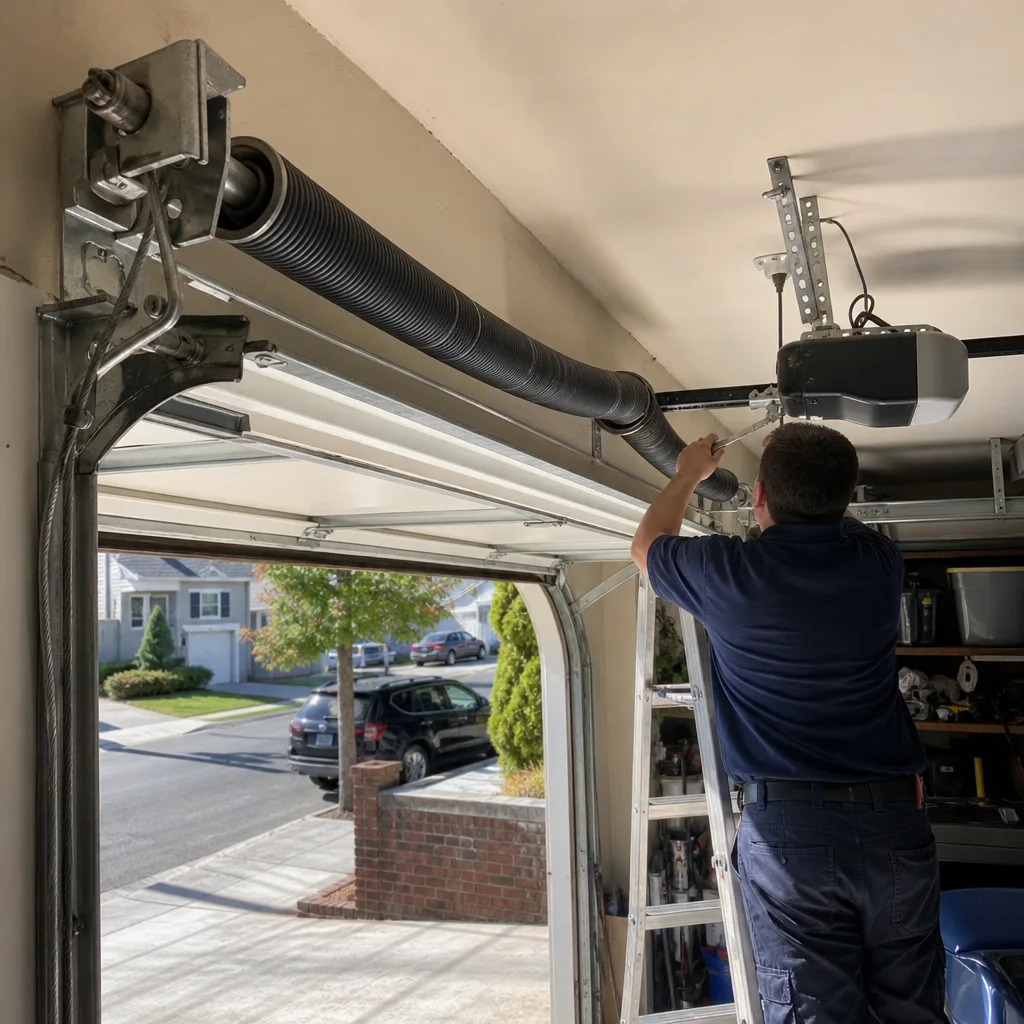 After
After Before
 After
After Before
 After
After