
Last updated October 16, 2026
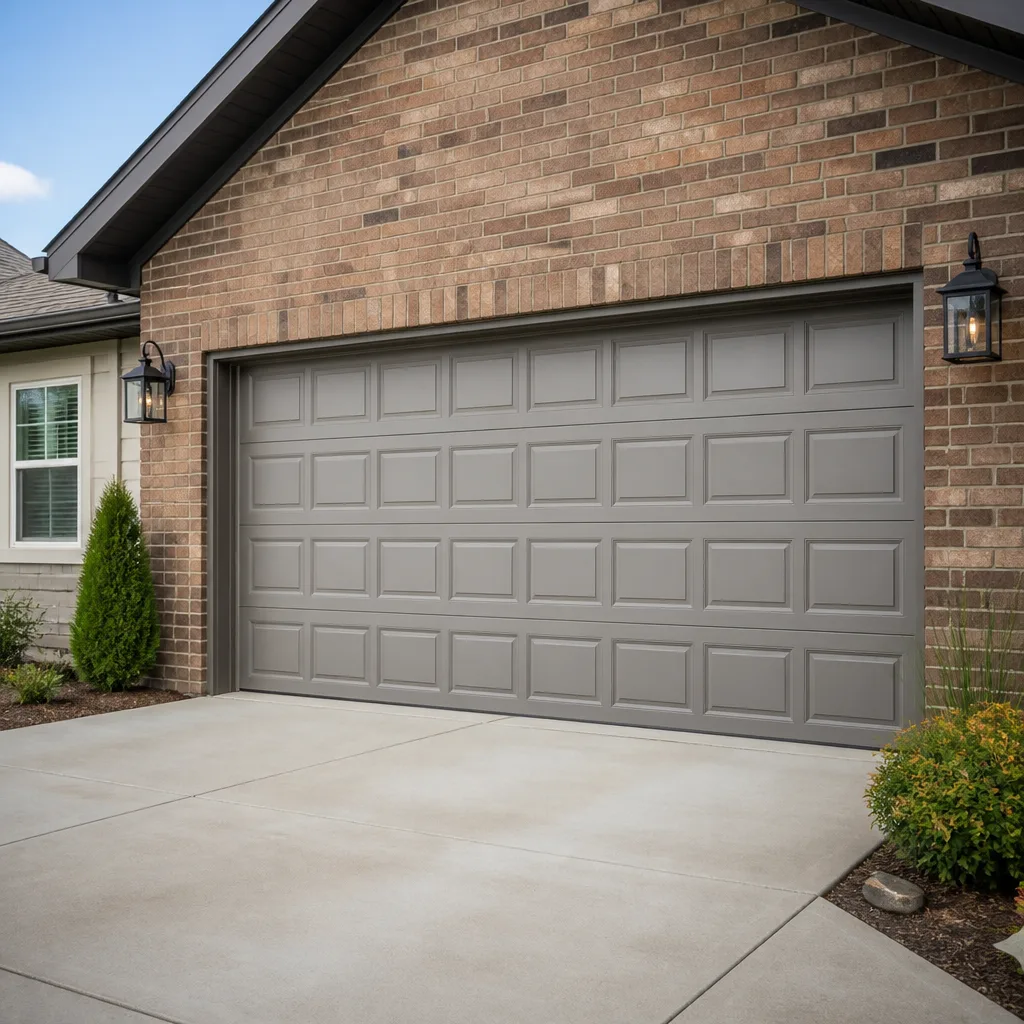 Raised-panel steel
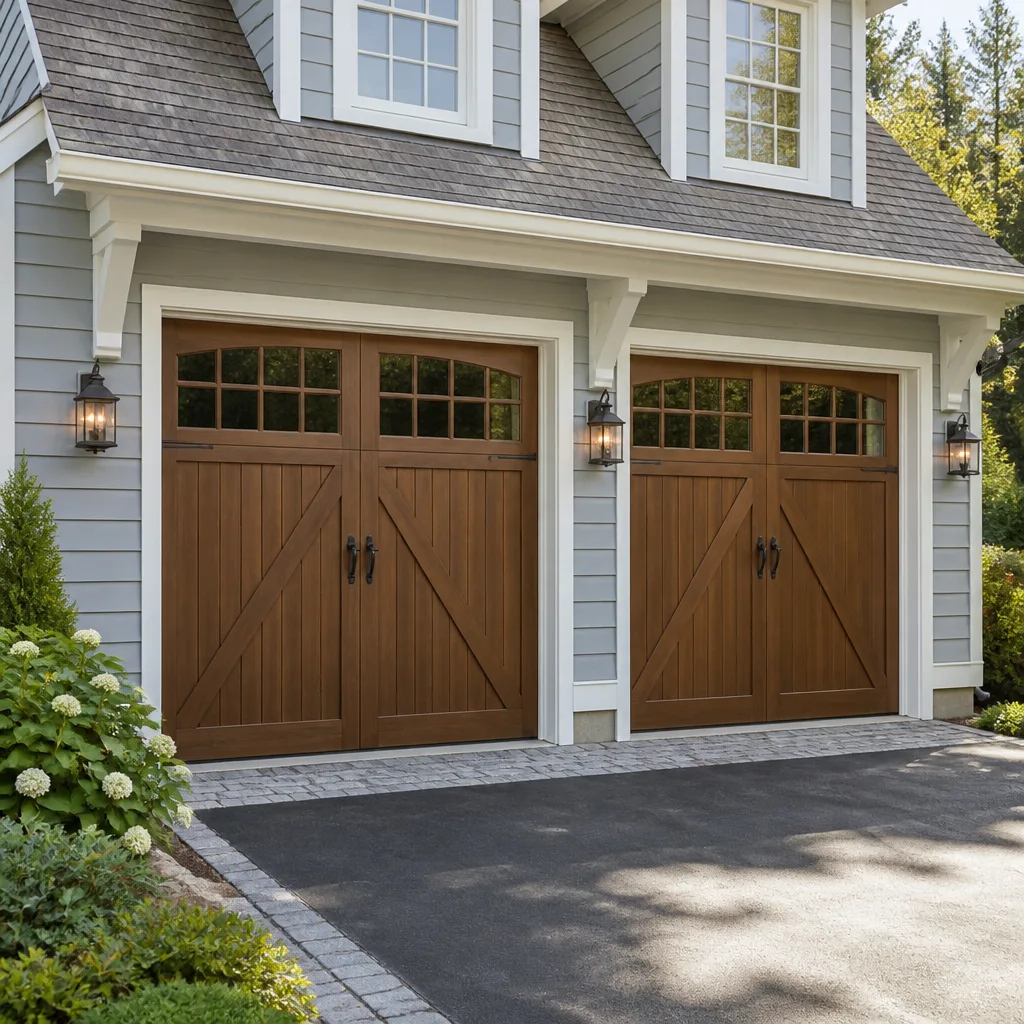 Carriage house
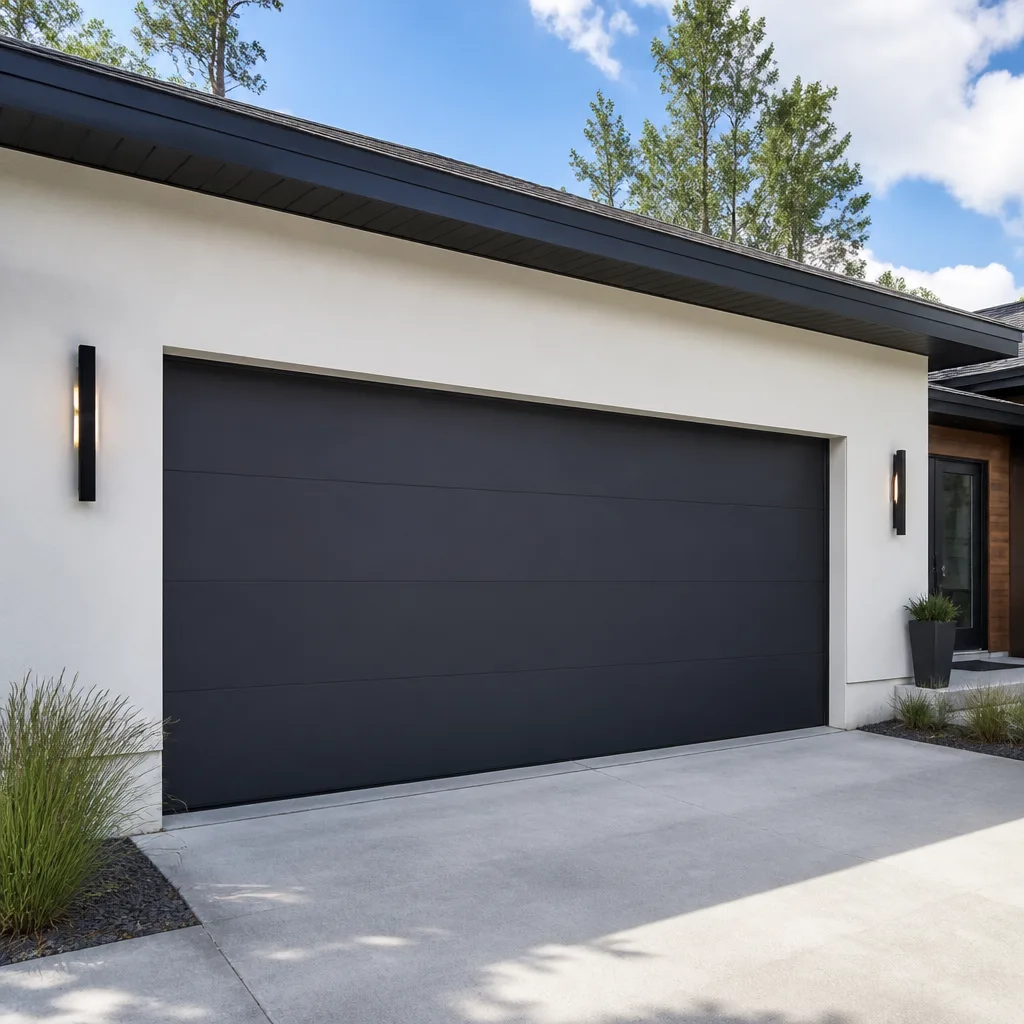 Modern flush
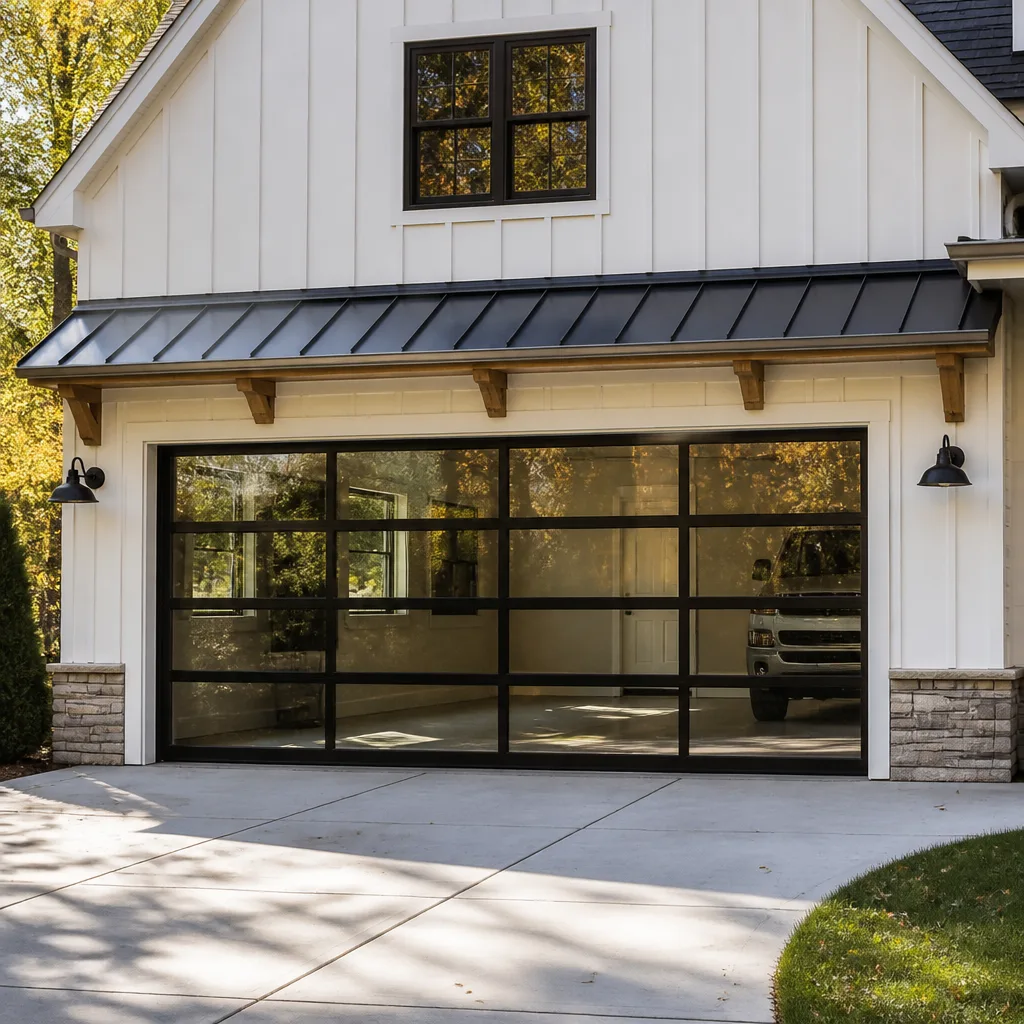 Full-view glass
 LiftMaster openers
 Chamberlain openers
Full 25-point door and opener safety check with every visit - springs, cables, rollers, tracks, and your LiftMaster or Chamberlain opener included
You get a price before we start. It does not change when the truck arrives.
Get your free estimateSeasonal Garage Door Care for Queens: Year-Round Homeowner’s Guide
The week after the first hard freeze in Queens is the single most common time we get called out for a snapped torsion spring. Not because cold weather breaks springs. Because the freeze follows weeks of wet, humid fall air that accelerates corrosion on cables and spring coils, and then the sudden temperature drop changes metal tension overnight. This guide walks through exactly what your garage door needs in Queens, season by season, including the salt-air patterns most national checklists completely ignore. For a deeper dive, see The Complete Guide to Garage Door in Queens.
Styles & brands we work with
Quick Answer
Seasonal garage door care in Queens means lubricating moving parts before temperatures drop below 40°F, inspecting weatherstripping after the last freeze, rebalancing springs when summer heat changes door weight, and doing a corrosion check twice a year if you live within a mile of Jamaica Bay or the East River. Most Queens homeowners should plan two 30-minute maintenance sessions per year: one in late October, one in late April.
Table of Contents
- Fall Prep: The Highest-ROI Maintenance Window in Queens
- Winter Operation: Why Your Door Drags in January
- Spring Thaw: Weatherstripping and Freeze-Thaw Damage
- Summer Heat: Wood Panels, Spring Tension, and Hard-to-Open Doors
- Salt Air: The Queens Coastal Corrosion Problem
- Month-by-Month Maintenance Checklist for Queens
- Common Mistakes to Avoid
- When to Call a Professional
- Frequently Asked Questions
- The Bottom Line
Fall Prep: The Highest-ROI Maintenance Window in Queens
If you only do one garage door maintenance session per year in Queens, do it in late October. Here’s why: the months between September and November bring exactly the conditions that quietly damage your door before the real cold hits. Temperatures swing from the 70s in early September to the low 40s by Thanksgiving, and the humidity stays high the whole time. Condensation forms on metal surfaces overnight, then evaporates during the day. That cycle repeats dozens of times, and each one deposits a tiny layer of oxidation on your torsion springs, cables, and roller bearings.
The single highest-ROI task in the Queens fall climate is lubricating everything that moves. You want to do this before temperatures drop below 40°F, because lubricant thickens in cold weather. Spraying a proper garage door lubricant onto your torsion spring (that’s the large coil mounted above the door that does most of the lifting), your hinges, and your rollers in late October means the lubricant has time to penetrate before the metal contracts in November. A homeowner-grade silicone or lithium spray costs around $8 to $15. A replacement torsion spring in Queens typically runs $180 to $340 installed, and a snapped spring often damages the door panel or the opener carriage when it lets go. The math on prevention is straightforward.
Fall Task List for Queens Homeowners
- Lubricate the torsion spring, hinges, and rollers with a silicone-based garage door lubricant. Avoid WD-40; it’s a solvent, not a lubricant, and it’ll strip the protective film you’re trying to build.
- Check the balance by pulling the manual release cord (usually a red handle hanging from the opener rail) and lifting the door halfway by hand. If it stays put, the springs are correctly tensioned. If it drops or shoots up, don’t touch the springs yourself. Call a pro. A door that’s out of balance puts extra strain on the opener motor, and that’s how a $90 service call becomes a $450 motor replacement.
- Inspect the cables on both sides of the door. Look for frayed strands anywhere along their length. Cables carry the full door weight when the spring is at rest; a frayed cable is a failure waiting for the first cold snap.
- Check the bottom weatherstripping. Queens gets roughly 44 inches of rain per year, and the gutters on attached garages don’t always carry it all away. A torn seal lets water pool under the door, which swells the bottom panel and soaks into the concrete slab. Replacing a bottom seal on a standard 8-to-9-foot door costs $20 to $45 in parts.
- Tighten all visible bolts and track brackets. Monthly opening and closing vibrates everything loose. A 3/8-inch socket wrench takes care of most of them in ten minutes.
If you’d rather not climb a ladder or deal with the tension hardware, Doyle Garage Doors Queens offers full seasonal tune-ups in Queens at a flat rate, and you’ll get a written price before any work starts.
Winter Operation: Why Your Door Drags in January
Queens January temperatures average a high of 39°F and a low of 27°F. At those temperatures, the grease inside your door’s rollers thickens. Nylon rollers have sealed bearings that hold less grease and spin more freely when cold; steel rollers have exposed bearings that seize up almost entirely below freezing. That’s why a door that moved easily in October may drag, shimmy, or stall entirely in January. The door itself hasn’t changed. The lubricant has.
This is also the season where the limits on your opener travel settings can seem to “drift.” They aren’t actually moving. What’s happening is that the cold shrinks the metal in the door panels and the track, shortening the overall travel distance by a quarter inch or so. Your opener’s limit switch, which tells the motor where to stop, is set for the door’s warm-weather length. In January the door closes a touch short, which can leave a small gap at the floor. That gap lets cold air in and costs you heat. We see this constantly in attached garages in Kew Gardens, Forest Hills, and Bayside, where homeowners notice the draft before they notice the door.
What to Do When the Door Slows in Winter
- Re-lubricate. If you lubed in October, do a light second pass in early January. Cold weather forces lubricant out of bearing surfaces quickly.
- Adjust the down limit, not the spring. Most openers have two small dials or buttons on the motor unit labeled “up” and “down.” A quarter-turn clockwise on the down limit usually closes the winter gap. This is a simple, safe adjustment you can do yourself; the controls are on the motor housing, nowhere near the spring.
- Don’t force it. If the door visibly strains or the opener reverses mid-travel, stop running it. The problem at that point is almost never the opener. It’s usually a failing bearing or a broken spring, and continued operation turns a small repair into a big one.
Cold plus snowmelt also creates ice dams at the base of the door on north-facing exposures. Rock salt spread on the driveway accelerates rust on the bottom panel. When you clear snow in Queens, shovel it away from the door track, not toward it. And if the door freezes to the concrete, don’t hit the opener button to break it loose. That torque can rip the bottom bracket off the panel. Warm water breaks the bond in ten minutes without damaging the door.
Spring Thaw: Weatherstripping and Freeze-Thaw Damage
Queens doesn’t have the dramatic freeze-thaw cycle of upstate New York, but the 15 to 20 night freezes we get each winter are enough to damage the bottom weatherstripping on most garage doors. Here’s the mechanism: water seeps under the seal, freezes, expands, and presses the rubber or vinyl against the rough concrete slab. When you open the door the next morning, the frozen seal peels back or tears. Repeat that 15 times across a winter and by March the seal looks like a dog chewed on it.
The bottom seal is not a cosmetic part. It keeps rainwater, leaves, snowmelt, and road salt out of the garage. More importantly for Queens homeowners, a degraded seal is an open invitation for mice and rats. Queens has some of the highest rodent pressure of any urban county in the country, and a half-inch gap under a garage door is all a rat needs. We’ve pulled more than a few rodent nests out of opener housings over the years, and every single one started with a torn bottom seal.
Spring Inspection Steps
- Close the door and inspect the seal from inside on a bright day. Look for light coming through anywhere along the bottom edge.
- Run a putty knife or flat screwdriver along the seal from one end to the other, feeling for cracks, brittleness, or torn sections you can’t see from standing height.
- Check the J-channel that holds the seal on the bottom of the panel. Ice can bend the channel itself, especially on aluminum doors. A bent channel needs replacement, not just a new seal slid in.
- Test the side and top seals too. They’re made of thinner material and UV damage shows up around year three. Press them with a finger; if they’re stiff or crumbly, plan on replacement. A full perimeter seal kit for a standard 16-foot door runs $60 to $120 in parts in Queens.
Spring is also the season when homeowners discover that a door that “survived” the winter actually didn’t. The warm-up reveals open cracks in galvanized tracks, especially on older doors near the coast. If you see rust blooms or flaking metal on the track during your spring inspection, addressed now, the track can often be reinforced or replaced in a $45-to-$90 service visit. Ignore it until it jams and you’re looking at a door replacement.
Summer Heat: Wood Panels, Spring Tension, and Hard-to-Open Doors
Queens summers average highs in the mid-80s with humidity that regularly pushes the heat index over 95°F. That’s hard on two specific components: wood doors and torsion springs.
Wood panel doors, which you’ll still find on older attached garages in neighborhoods like Richmond Hill, Woodhaven, and Auburndale, absorb moisture all summer. A standard 16-foot wood door can gain 30 to 50 pounds of water weight between May and August. That added weight changes the load on the torsion spring, which was calibrated for the door’s dry weight. The result is a door that’s suddenly hard to lift manually, an opener motor that labors or trips its safety sensor, and a spring that’s holding more tension than intended. A “hard to open in July” complaint from a Queens homeowner almost always traces back to a wood door that’s swollen with humidity.
The fix is not to buy a stronger opener. The fix is to have the spring tension rebalanced for the door’s actual current weight. That’s a $60 to $90 adjustment on most doors, and it’s work for a trained technician because the torsion spring is under several hundred pounds of stored tension. We’d never suggest a homeowner touch the spring winding cones themselves; that’s the single most dangerous component in the entire system, and the hospital bills from a slipping winding bar eclipse any repair savings. If you’re weighing whether to DIY or hire out, read our DIY vs Professional Garage Door: The Queens Homeowner’s Decision Guide.
If you live within a few blocks of Jamaica Bay, Flushing Bay, or the East River, summer humidity has a second effect: it pulls road salt out of the air and deposits it on your door’s exposed hardware. More on that below, because it’s the aspect of seasonal garage door care in Queens that almost no one talks about, and it’s the one that determines whether your door lasts 12 years or 25.
Salt Air: The Queens Coastal Corrosion Problem
Queens has roughly 30 miles of waterfront, and the neighborhoods within a mile of it (Rockaway, Broad Channel, Howard Beach, Long Island City, Astoria, College Point, Whitestone, and Little Neck among them) operate under a different set of maintenance rules than the rest of the borough. Salt aerosol from Jamaica Bay and the Sound carries inland, especially on southeast and northwest winds, and it settles on metal surfaces. On a garage door, that means the torsion spring, cables, track hardware, and even the steel in the panels themselves get exposed to saltwater air year-round.
The failure pattern is predictable. Gray-white powder blooms on the spring coils first, then brown freckling on the cables, then reddish streaking down the track. What’s happening underneath is galvanic corrosion: the salt creates an electrolyte, the dissimilar metals in the door (steel spring, galvanized cables, aluminum track brackets) create a battery, and the steel loses. Springs in coastal Queens can fail in 5 to 7 years, where the same spring inland would last 10 to 12.
Coastal Corrosion Inspection Protocol
- Run a white cloth over the spring coils. If you pick up gray or white powder, the spring is actively corroding. Don’t wipe it off; the oxide layer is actually protecting the metal underneath. Note its extent and check again in 60 days.
- Examine the cables under a light from three inches away. Salt-corroded cables show pitting (tiny divots) long before they fray. Pitted cables are a replacement item, not a monitor item. A cable that snaps under load whips with enough force to injure anyone nearby.
- Press a fingernail against any exposed steel on the track. If it leaves a dent, the metal has lost structural strength. That means the track is no longer reliably holding the rollers in place under door weight. Replace it this season, not next year.
- Check the bottom panel on steel doors for bubbling paint. That’s corrosion starting on the inside of the panel, and by the time you see it on the outside, the panel is already structurally compromised. Salt-air homes should get a bottom panel inspection every spring.
- Lubricate monthly instead of seasonally. The salt dries out lubricants faster than in inland Queens. A monthly light spray on rollers, hinges, and the spring adds years to the door’s life. This is the single cheapest protective measure you can take on the peninsula.
When coastal doors do need major work, there’s a meaningful difference in materials. If you’re replacing a door on a Rockaway or Howard Beach home, a galvanized steel door or a fiberglass-over-steel composite from a manufacturer like Clopay or Wayne Dalton generally outlasts a standard stamped-steel door by three to five years near the water. The salt premium is real, but so is the replacement cycle without it.
And if all of that is more than you want to do yourself, Doyle Garage Doors Queens home serves the full borough including coastal neighborhoods, and we quote every job in writing before anything gets touched.
Month-by-Month Maintenance Checklist for Queens
If you want to build garage door care into your household to-do list, here’s the simplified calendar we’d give any Queens homeowner. For Garage Door Cost Breakdown: The Queens Homeowner’s Reference for 2026, see our dedicated pricing guide. It tracks the actual annual climate cycle here: wet humid fall, freeze-thaw winter, soggy early spring, then salt-and-humidity summer.
October: Lubricate and Inspect Before the Freeze
- Lubricate torsion spring, hinges, rollers
- Test door balance by hand
- Inspect cables for frays
- Check bottom weatherstripping
November-December: Watch for the First Hard Freeze
- Listen for stress pops on first cold mornings
- Check both side cables after freeze nights
- Look for light under the closed door
January-February: Cold Weather Operation
- Re-lubricate rollers and hinges lightly
- Adjust opener down limit if door leaves gap
- Keep driveway salt away from track and bottom panel
- Don’t force a frozen door open
March-April: Post-Winter Assessment
- Inspect bottom seal for freeze-thaw tears
- Check all track brackets and bolts
- Watch for rodent entry signs under the door
- Book any needed spring or cable replacement before summer heat adds load
May-June: Pre-Humidity Setup
- Check wood doors for moisture absorption
- Watch for “hard to lift” symptoms as humidity builds
- Verify safety sensors are aligned
July-August: Heat and Salt Stress
- Monthly lubrication for coastal homes
- Salt corrosion inspection for homes within a mile of water
- Monitor wood door weight and opener strain
September: Pre-Fall Reset
- Check that summer salt and humidity haven’t started spring corrosion (look for gray-white bloom)
- Book any cable, roller, or track work before the fall rush
Common Mistakes to Avoid
- Using WD-40 on the springs and hinges. WD-40 is a solvent. It cleans, then it evaporates. What it doesn’t do is leave a protective lubricating film. By the time you notice the door squealing again, the bearings have already run dry for weeks. Use a silicone-based or lithium-based garage door lubricant instead. If you’re not sure which type your specific door needs, a technician can tell you in two minutes during a tune-up.
- Lubricating the plastic track. The rails the rollers ride in don’t need lubrication. Grease on the track attracts dust and road grime, which builds up into a paste that actually slows the door down. Lubricate the rollers, not the track.
- Ignoring a frayed cable because “the door still works.” Cables don’t heal. A single frayed strand means the cable is measurably weaker, and the rest of the strands are taking extra load. The most common time for a cable to snap is the morning after a freeze, which is to say it fails at the worst possible moment: right when you’re trying to get the car out for work. If you see fraying, call before it breaks.
- Adjusting the spring tension yourself. We say this clearly in every Queens guide we write: the torsion spring is the most dangerous single component in your garage. The stored energy in a fully wound spring is enough to shatter a forearm. There is no safe way to adjust it without proper winding bars and experience. This is a hard line: don’t.
- Replacing only the bottom seal when the J-channel is bent. If the aluminum holder is warped, a new seal won’t seat correctly. You’ll still get water, rodents, and drafts. A garage door installation replacement specialist can tell you if the channel is salvagable, and it’s a five-minute check.
- Forgetting the opener’s safety sensors. When you’re up on a ladder in October checking the springs, glance at the two small sensors near the floor on either side of the track. They should be aligned and their lenses clean. A misaligned sensor is the cause of roughly a third of “the door won’t close” calls in Queens, and the fix takes ten seconds with a rag.
When to Call a Professional
Most of this guide covers tasks you can do yourself with a ladder, a rag, and a can of lubricant. But there’s a clear line. You should call a professional whenever the work touches the torsion spring, the lift cables, the track, or any part of the door that bears the door’s weight. That includes rebalancing a door that’s become hard to lift, replacing a frayed cable, repairing a section that’s popped out of the track, or adjusting spring tension on a wood door that’s swollen with summer humidity. Those are the high-energy parts of the system, and the consequences of getting it wrong are not a broken door. They’re a serious injury.
Similarly, if you inspect your door and find significant corrosion on the spring or cables, that’s a replacement decision you don’t want to make alone. A trained technician can tell you whether the parts have life left or whether you’re a month from failure. Doyle Garage Doors Queens handles opener repair, spring replacement, cable work, and track repair across all five boroughs, and every job includes a written price before any work starts. Call (585) 440-5777 for a free estimate in Queens.
Frequently Asked Questions
A basic lubrication and inspection service from a Queens garage door company typically runs $75 to $150, depending on the door size and whether any adjustments are needed. Parts like bottom seals ($20 to $45) and roller sets ($40 to $80 for a set of 10 nylon rollers) are additional. At Doyle Garage Doors Queens, we quote the full price in writing before any work begins, and our annual tune-up customers in Queens pay a flat rate that covers lubrication, balance check, and a full safety inspection. Browse more guides & resources on keeping your door running smoothly. Call (585) 440-5777 for an exact quote.
Twice a year is the minimum for inland Queens: once in late October and once in late April. If you live within a mile of Jamaica Bay, Flushing Bay, or the East River, lubricate monthly. Salt air breaks down the protective film on metal parts faster, and a monthly pass takes five minutes and costs less than a dollar in product.
The most common winter problem we see in Queens is a door that fails to close all the way, leaving a gap at the bottom. It’s almost always caused by metal contraction in the cold, which shortens the door’s travel length, and the fix is a simple opener limit adjustment. That’s a 30-second fix you can do yourself, and it’s also one of the most common causes of false “broken opener” calls we receive.
Wood garage doors absorb moisture from Queens’ summer humidity, and a standard 16-foot wood door can gain 30 to 50 pounds of water weight. That extra weight changes the torsion spring’s effective load, making the door harder to lift and straining the opener motor. The fix is a spring tension rebalancing for the door’s current weight, done by a professional while the door is in its warm-weather condition.
Yes. Homes within a mile of Jamaica Bay, the Rockaway peninsula, or the north shore waterfront should get a corrosion inspection twice a year and lubrication monthly. Salt aerosol accelerates spring and cable corrosion dramatically; we’ve replaced springs on Rockaway and Howard Beach homes that lasted five years, where the same spring would have gone a decade in Forest Hills or Kew Gardens.
A torsion spring replacement on a standard single-car garage door in Queens generally runs $180 to $340 installed, including the spring and labor. Double doors and high-cycle springs run higher. We always give a written price before starting, so you know exactly what you’re paying, and the spring itself is covered by our 365-Day Done Right Promise: if it fails within a year, we come back and replace it at no charge. Call (585) 440-5777 for a free estimate.
The Bottom Line
Queens doesn’t get the brutal winters of Syracuse or the relentless heat of Phoenix, but our climate does something subtler: it cycles through four distinct stress patterns and adds a salt-air complication near the water that most garage door advice ignores entirely. The good news is that the maintenance work is predictable. Lubricate before the freeze. Respect the thaw. Rebalance after the humidity. Check for salt corrosion if you’re near the bay. And when the problem is bigger than a rag and a can of spray, ask for a written price before anyone touches the bolts. A garage door repair in Queens should never be a guessing game.
Written by Aaron Teague, Owner at Doyle Garage Doors Queens, serving Queens since 2001.
See the difference
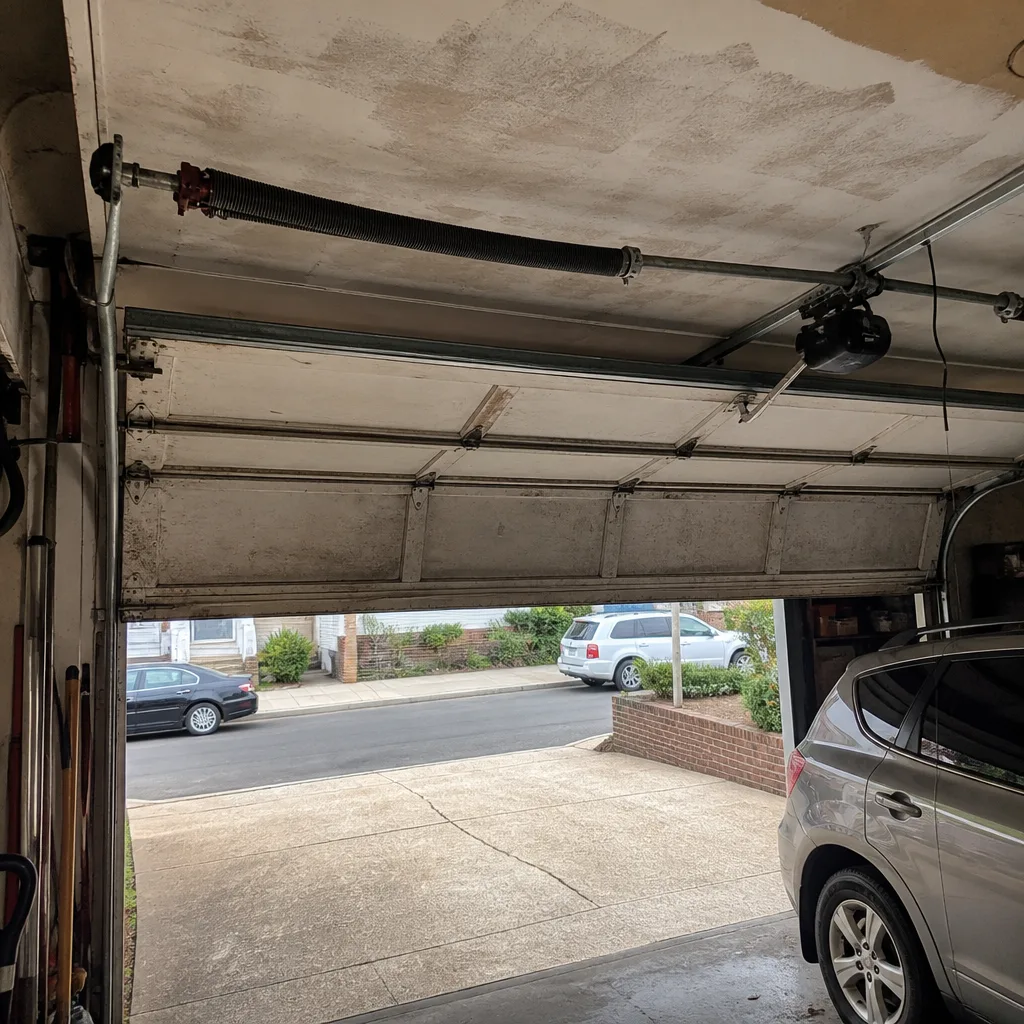 Before
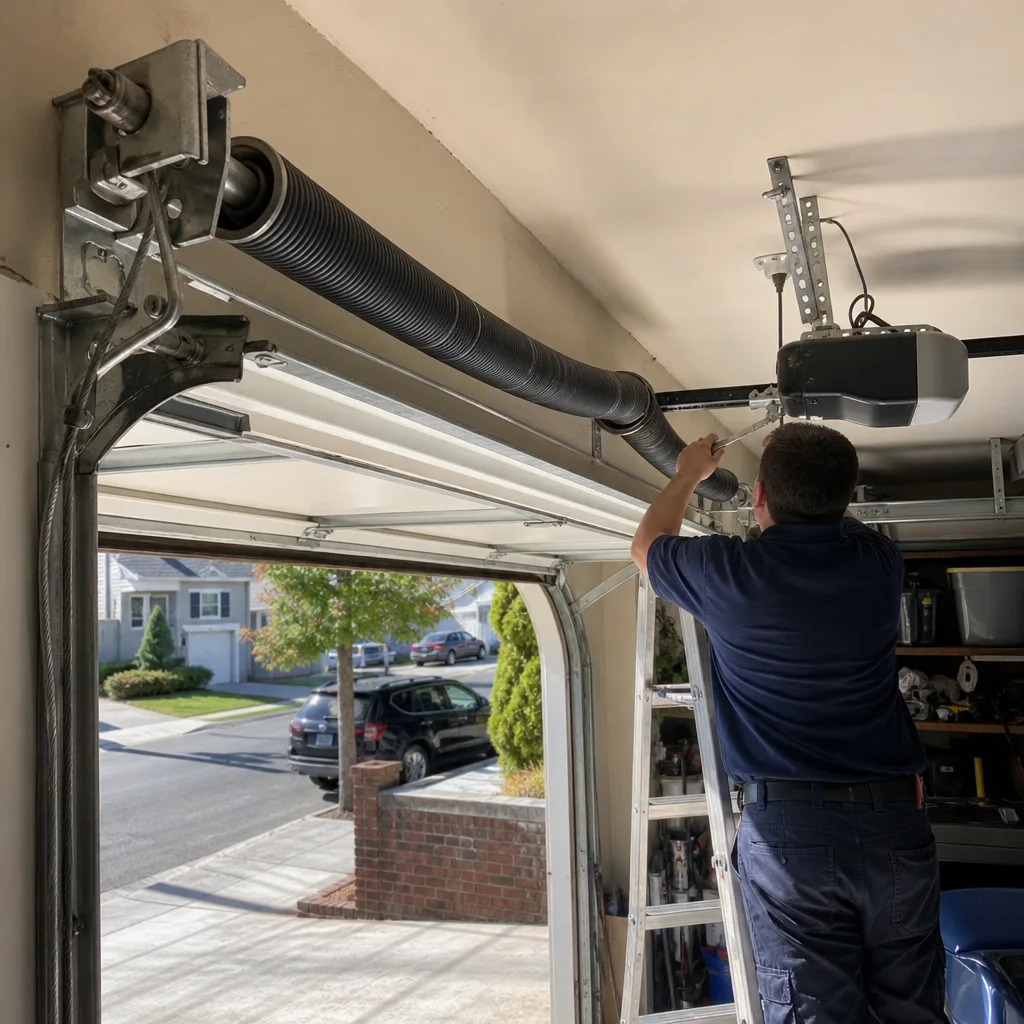 After
After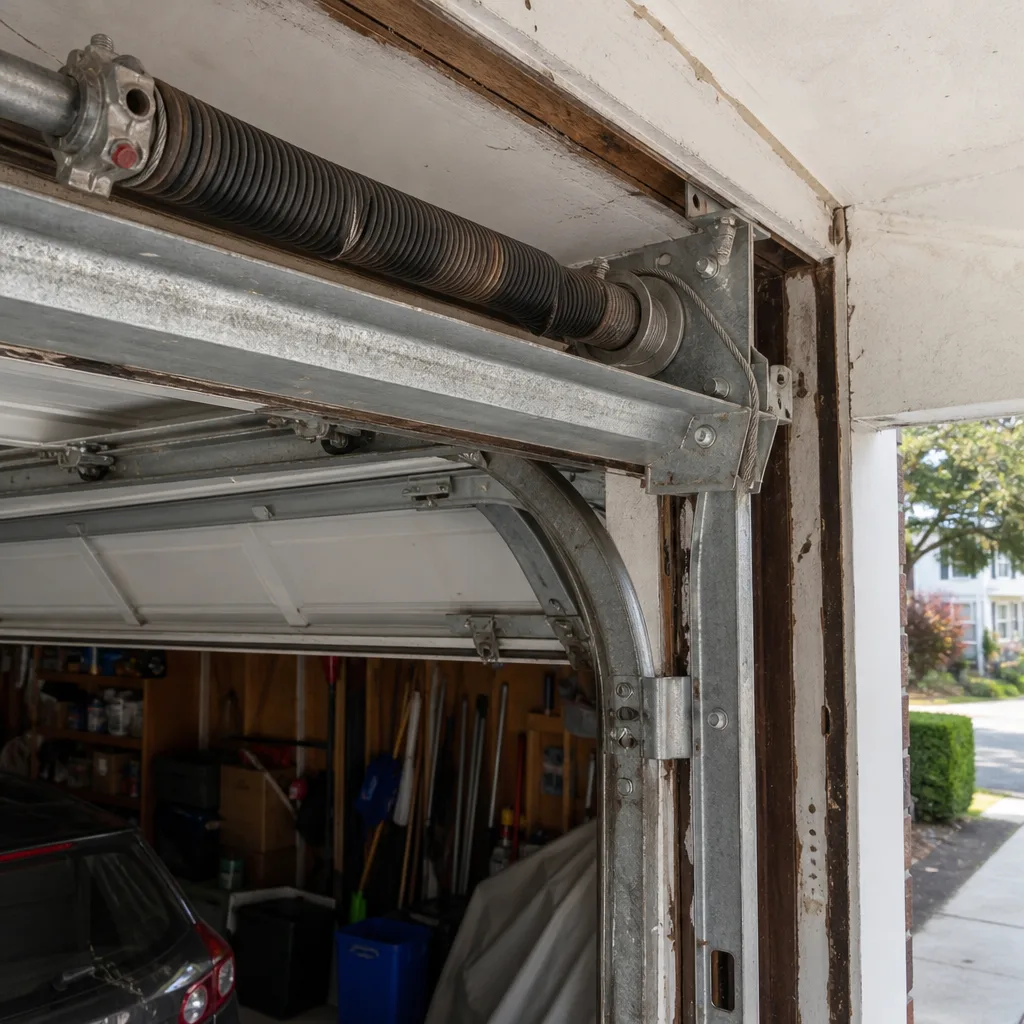 Before
 After
After Before
 After
After